
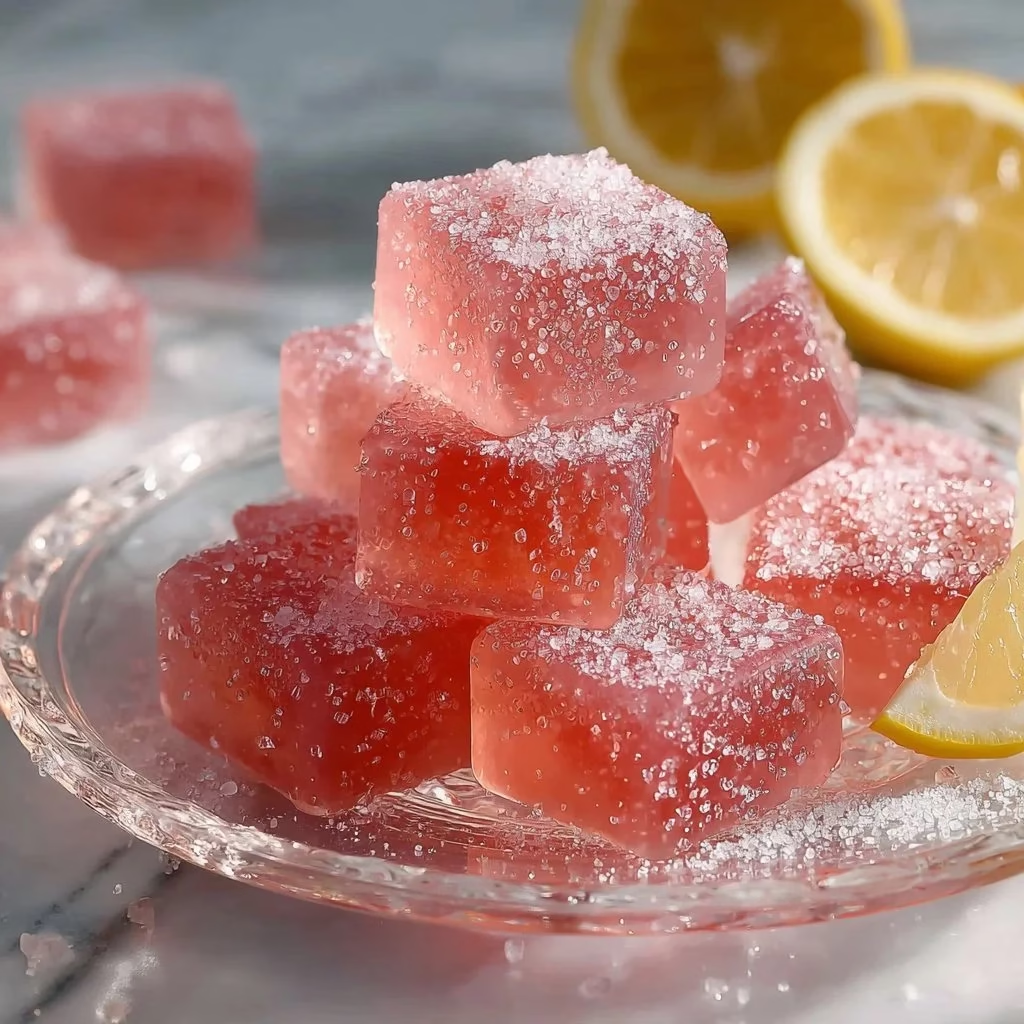
Lemon Gelatin is a simple, tangy dessert and light remedy made from gelatin and fresh lemon that many people use as part of a slimming routine. It tastes bright and citrusy, with a clean lemon aroma, a smooth wobble in texture, and a cool finish that makes it feel refreshing on warm days. Because it can be very low in calories and offers a sense of fullness, some add it to their weight loss plans to help control cravings and replace higher calorie snacks. The preparation is quick and forgiving, and the end result is both satisfying and gentle on digestion. If you like a zesty treat that feels both light and comforting, this recipe is worth trying tonight.
What Is Lemon Gelatin?
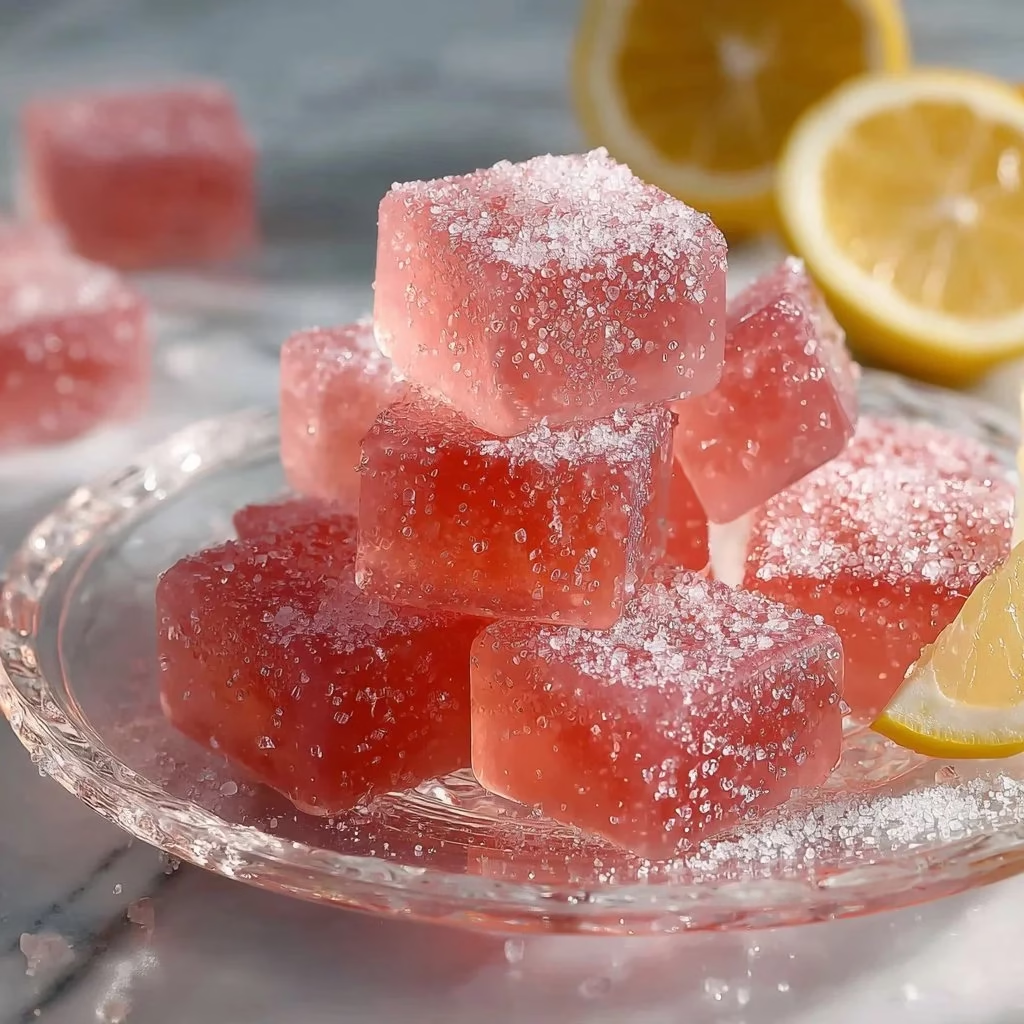
Lemon gelatin is a gelled dessert made by dissolving gelatin—either powdered or sheets—into liquid and flavoring it with lemon juice, zest, and often a sweetener. The gelatin protein sets the mixture into a tender, jiggly texture that holds citrus aromatic oils and juice, creating a palate that is simultaneously tart and slightly sweet. People have adapted simple gelatin desserts for slimming by reducing added sugars, using natural sweeteners, and serving modest portions to aid satiety without many calories.
Beyond its culinary role, gelatin has a few interesting notes to consider: it is a protein derived from collagen and may help some people feel fuller after a small serving, and it gels best when dissolved at warm temperatures then cooled. While enthusiasts sometimes credit gelatin-based snacks with improved joint or skin support, these effects are small and not a substitute for balanced nutrition. As always, treat lemon gelatin as a low-calorie option within an overall healthy plan.
Why People Love This Method for Weight Loss
Many people turn to a lemon-flavored gelatin snack because it combines convenience, flavor, and portion control in one easy-to-make item. The bright lemon taste satisfies sweet-sour cravings, while the cool, firm texture delivers a sensory experience that feels more substantial than a simple drink. Because it can be prepared with minimal ingredients and stored for several days, it fits easily into busy schedules and can be a predictable, low-calorie option between meals.
- Easy ingredients: Most recipes use water, lemon, gelatin, and a sweetener you already have.
- Low cost: Gelatin and citrus are inexpensive, helping keep snacks budget-friendly.
- Fits daily routine: Make a batch and portion it for grab-and-go treats.
- Helps curb cravings: The texture and flavor can reduce the urge for high-calorie sweets.
- Hydration support: Made mostly of liquid, it can contribute a small amount toward daily fluid intake.
Ingredients
- Gelatin powder or gelatin sheets – Provides the gelling protein; use unflavored gelatin for flexible flavor control or agar for a vegetarian swap.
- Fresh lemon juice – Adds natural acidity and aroma; bottled juice can work in a pinch but fresh gives brighter flavor.
- Water – Dissolves the gelatin and balances intensity; use part hot and part cold for better setting.
- Sweetener of choice (sugar, honey, stevia, erythritol) – Balances the tartness; choose a low-calorie sweetener to keep calories down.
- Lemon zest (optional) – Adds concentrated citrus oils for aroma and depth; remove if bitter.
- Pinch of salt (optional) – Enhances flavor and cuts through sweetness; a small pinch is enough.
- Fresh mint or berries (optional garnish) – For color contrast and added freshness without many calories.
How to Make It (Step-by-Step)
Overview: Making lemon gelatin takes about 10 to 20 minutes of active work plus cooling time, and yields a cool, firm dessert with a tangy aroma. Start by blooming the gelatin, warm a portion of the liquid to dissolve it fully, then combine with cold liquid and lemon to preserve bright flavor. Pour into a shallow pan or individual molds, chill until set, and serve chilled for the best texture.
- Measure and bloom the gelatin. Sprinkle powdered gelatin over 1/2 cup of cold water and let it sit for 5 minutes so the granules absorb liquid and soften. You will see the powder swell and become spongy, which helps it dissolve smoothly later.
- Warm the remaining liquid. Heat 1/2 to 1 cup of water until warm but not boiling, about 140 to 160 F (60 to 71 C), using a saucepan or microwave. Warm water helps melt the gelatin; avoid boiling to prevent flavor loss.
- Dissolve the gelatin. Add the softened gelatin to the warm water and stir for 1 to 2 minutes until completely dissolved and silky, with no grainy bits. A smooth mixture should have a faint steam and a glossy look.
- Add lemon and sweetener. Stir in fresh lemon juice, lemon zest if using, and your chosen sweetener while the liquid is warm; taste and adjust for brightness and sweetness. Work quickly to retain lemon aroma before cooling dulls volatile oils.
- Combine with cold water. Pour the warm gelatin-lemon mix into the remaining cold water, stirring to cool the mixture evenly; this helps set a tender gel. At this point the mixture should feel slightly warm but not hot.
- Pour into molds and chill. Transfer to a shallow dish or individual cups, cover, and refrigerate until firm, usually 2 to 4 hours depending on depth. The finished gelatin will feel cool and springy to the touch when properly set.
- Serve and store. Unmold if desired and garnish with mint or a berry, then enjoy chilled. Store leftovers in an airtight container in the refrigerator for up to 4 to 5 days for best texture.
How to Use It for Better Weight Loss
Using lemon gelatin as part of a weight loss approach works best when it replaces higher calorie snacks rather than being added on top of current intake. Its low calorie density and satisfying mouthfeel can reduce the temptation to reach for a candy bar or cookie, and the citrus aroma may curb sweet cravings. Pair a small serving with a protein-rich snack or part of a balanced meal for better longer-term satiety, and keep portion sizes consistent to track intake. Remember that no single snack guarantees weight loss; consistent calorie control and activity are key.
- Timing: Enjoy a small serving between meals to manage cravings, or after dinner as a low-calorie dessert.
- Portions: Aim for 1/2 to 1 cup per serving to keep calories low and satisfaction high.
- Frequency: Limit to once or twice daily as a substitute for higher-calorie treats.
- Daily habits: Combine with protein and vegetables at meals to support fullness and nutrition.
- Safety: If you have dietary restrictions or conditions, consult your healthcare provider before regular use.
Tips & Variations
Lemon gelatin is versatile and can be adapted for lower calories, different diets, or more complex flavor profiles without much extra effort. Try swapping sweeteners, adding herbs, or mixing in fruit for texture variation. Simple tweaks can make it compatible with keto, low-sugar, or vegan adjustments while keeping preparation straightforward.
- Low-calorie option: Use erythritol or stevia to eliminate added sugars while preserving sweetness.
- Flavor options: Add a teaspoon of grated ginger or a few drops of vanilla for a nuanced profile.
- Diet-friendly swaps: Use agar-agar for a vegan gel, adjusting proportions and boiling as agar needs heat to set.
- Texture change: Stir in small diced berries after partial chilling for a fruit-studded gel.
- Portion control: Mold into small cups to help pre-portion servings for the week.
Mistakes to Avoid
Making lemon gelatin is forgiving, but a few common mistakes can affect texture or flavor, so it helps to be aware of them. Overheating gelatin can dull the lemon aroma, while under-dissolving leaves a gritty texture that is unpleasant to eat. Keeping proportions consistent and chilling long enough are simple fixes that yield a smooth, bright dessert.
- Not blooming the gelatin: If you skip this step, gel may be uneven; allow 5 minutes for powder to soften.
- Using boiling water: Boiling can break down flavor and protein; aim for warm, not scalding.
- Too much acid: Excess lemon juice can prevent proper setting; balance acidity with enough liquid and gelatin.
- Over-sweetening: Masking lemon with sugar removes the refreshing quality; sweeten gradually and taste.
- Not chilling long enough: Cutting into it too soon gives a loose texture; wait the full 2 to 4 hours.
FAQs
Q: Can I make lemon gelatin ahead of time?
A: Yes, lemon gelatin holds well in the refrigerator for several days. Prepare and chill it fully, then keep it covered in an airtight container for up to 4 to 5 days; this makes it a convenient make-ahead snack for busy weeks.
Q: How should I store leftover lemon gelatin?
A: Store leftovers in a covered dish or individual sealed cups to prevent fridge odors from affecting the bright lemon scent. Properly covered, texture and flavor stay best for about 4 to 5 days; discard if you notice any off smells or separation.
Q: What can I use instead of powdered gelatin?
A: Agar-agar is a common vegetarian substitute, but it requires boiling and sets firmer than gelatin, so follow agar package instructions for ratios and cooking time. Pectin is another option for fruit-rich gels but behaves differently and may need additional sugar or acid to set.
Q: When is the best time to eat lemon gelatin for weight loss?
A: A small serving between meals can help reduce snacking on higher-calorie foods, or it can be used as a light dessert after dinner. Pairing your serving with a source of protein earlier in the day may help prolong fullness.
Q: Is lemon gelatin safe for everyone?
A: For most people, lemon gelatin is safe as an occasional low-calorie snack, but check with your healthcare provider if you have allergies, are pregnant, breastfeeding, or taking medications. Those with dietary restrictions should choose appropriate gelatin substitutes and confirm ingredient safety.
Final Thoughts
Lemon gelatin is an easy, affordable way to enjoy a bright, low-calorie treat that can fit into many weight loss strategies when used thoughtfully. Its cool texture and citrus aroma make it a satisfying alternative to sugary desserts, and simple swaps let you tailor it to your diet. Keep expectations realistic: it can support calorie control but is not a miracle solution for weight loss. When combined with balanced meals and regular activity, lemon gelatin can be a helpful, pleasant tool. Try it and tell me how it worked for you!
Conclusion
For a variety of helpful homemade variations and techniques, you can explore a straightforward guide on DIY Lemon Jello – Domestic Dreamboat. If you prefer recipes sweetened naturally, check the tips at Naturally Sweetened Homemade Lemon Jello | Recipes to Nourish for ideas. For a family-friendly, naturally sweetened approach, see the recipe notes on Naturally Sweetened Lemon Jello Recipe – Mommypotamus. If you want a version made with real juice and step-by-step photos, visit Homemade Lemon Jello (With Real Juice!) – jellojoy. For a lighter, refined take on lemon gel, Gemma offers an elegant option at Light & Refreshing Lemon Gelée – Gemma’s Bigger Bolder Baking.
The information provided in this article is for educational purposes only and should not be considered medical advice. Everyone’s body is different, and what works for one person may not work for another. It’s always best to speak with your healthcare provider before making this a daily habit, especially if you are taking medications, managing a medical condition, or are pregnant or breastfeeding. Always consult your doctor for personalized guidance.
PrintLemon Gelatin
A simple, tangy dessert made with gelatin and fresh lemon, perfect for a refreshing low-calorie treat.
- Prep Time: 10 minutes
- Cook Time: 0 minutes
- Total Time: 240 minutes
- Yield: 4 servings 1x
- Category: Dessert
- Method: Chilling
- Cuisine: American
- Diet: Vegetarian
Ingredients
- 1 tablespoon gelatin powder or 3 sheets of gelatin
- 1/2 cup fresh lemon juice
- 1 cup water (part hot and part cold)
- Sweetener of choice (sugar, honey, stevia, erythritol)
- Zest of 1 lemon (optional)
- Pinch of salt (optional)
- Fresh mint or berries for garnish (optional)
Instructions
- Measure and bloom the gelatin. Sprinkle gelatin over 1/2 cup of cold water and let it sit for 5 minutes.
- Warm the remaining water until it is warm but not boiling, about 140 to 160°F (60 to 71°C).
- Dissolve the gelatin in warm water, stirring until completely dissolved.
- Add lemon juice, zest if using, and your sweetener to the warm mixture, adjusting for taste.
- Combine the mixture with the remaining cold water, stirring to cool it down.
- Pour the mixture into molds or a shallow dish and refrigerate until firm, for about 2 to 4 hours.
- Serve chilled, garnished with mint or berries if desired.
Notes
Store leftovers covered in the refrigerator for up to 4 to 5 days.
Nutrition
- Serving Size: 1 serving
- Calories: 50
- Sugar: 2g
- Sodium: 5mg
- Fat: 0g
- Saturated Fat: 0g
- Unsaturated Fat: 0g
- Trans Fat: 0g
- Carbohydrates: 12g
- Fiber: 0g
- Protein: 1g
- Cholesterol: 0mg