
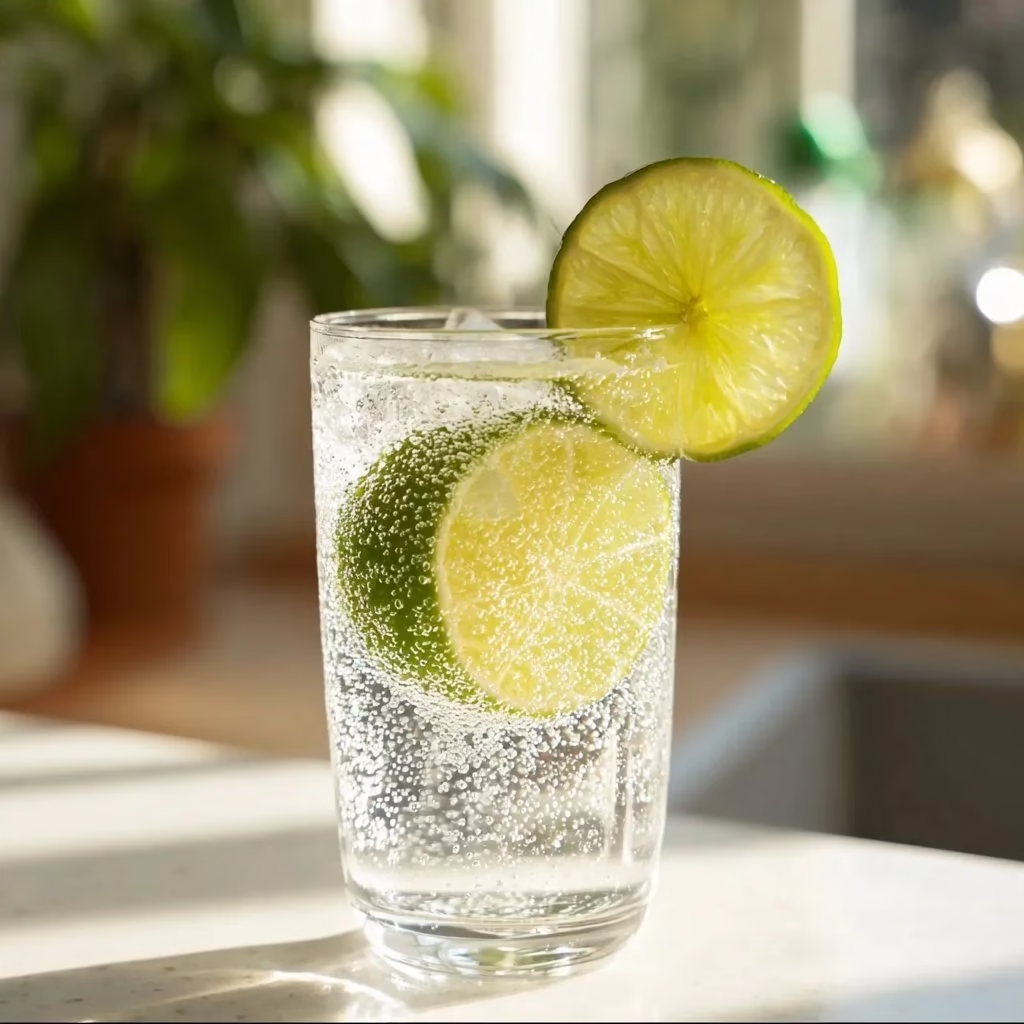
Prebiotic Water for Weight Loss is a simple, drinkable mixture that blends plain water with a small amount of prebiotic fiber and light flavorings to support gut health and appetite control. People sip it because prebiotics feed beneficial gut bacteria, and that interaction can help with feelings of fullness and steady digestion. The drink is typically cool and refreshing, lightly textured from dissolved fiber, subtly citrusy or minty in aroma, and smooth on the palate. Many choose it as an easy hydration boost that might curb cravings without adding calories. If you like gentle, flavorful sips that could support healthy habits, this is worth a try.
What Is Prebiotic Water for Weight Loss?
Prebiotic water is essentially water that contains dissolved prebiotic fibers such as inulin or fructooligosaccharides (FOS), often paired with mild flavorings like lemon, cucumber, or mint. Prebiotics are non-digestible fibers that reach the colon intact and act as food for beneficial gut bacteria. When bacteria ferment these fibers they produce short-chain fatty acids, which may influence appetite hormones, gut barrier function, and metabolic signals that are relevant to weight regulation.
People use this drink for slimming because it combines hydration with a tiny amount of soluble fiber that can slow gastric emptying and promote satiety without many calories. While prebiotic water is not a magic solution, it can be an accessible tool within a balanced diet to help reduce snacking and improve overall fluid intake. Small health notes: some people experience minor gas or bloating when they first increase prebiotic fiber, and effects vary with individual microbiomes.
Why People Love This Method for Weight Loss
Many people are drawn to this approach because it is low-effort, low-cost, and integrates easily into daily routines while supporting hydration and gut health. The mild flavor and smooth mouthfeel make it enjoyable to drink cold or room temperature, and it can be prepared in batches for convenience.
- Easy ingredients: simple pantry staples make it accessible.
- Low cost: prebiotic powders are inexpensive and long-lasting.
- Fits routine: sip between meals to help curb cravings.
- Hydration support: increasing water intake supports metabolism and well-being.
- Gentle satiety: the small fiber dose can reduce the urge to snack.
Ingredients
- Water (filtered or tap): base for hydration and flavor infusion.
- Inulin or FOS prebiotic powder (1 to 3 grams): provides soluble fiber to feed beneficial microbes; start low and increase as tolerated.
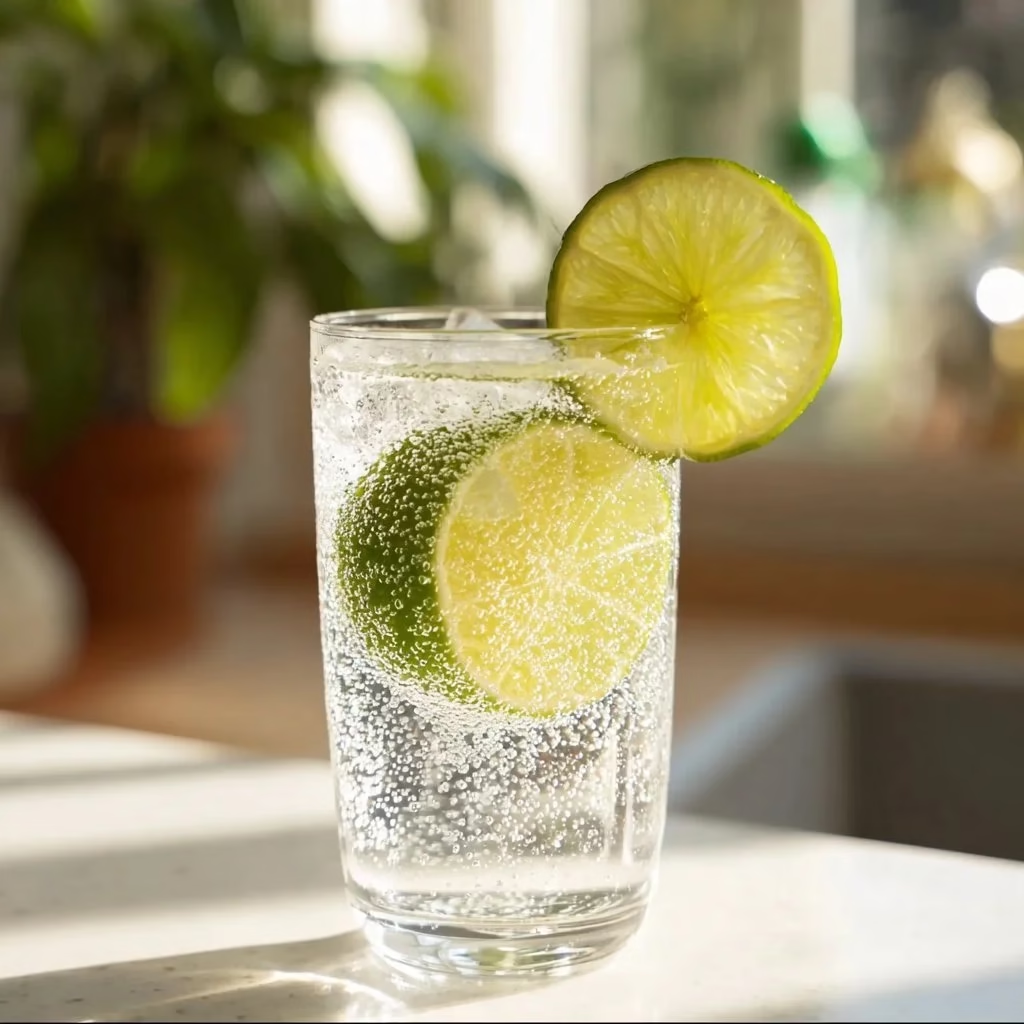
- Fresh lemon or lime slices: adds bright acidity and aroma; substitute with orange for sweeter notes.
- Fresh mint leaves: cooling aroma and flavor; swap with basil for a different herb profile.
- Cucumber slices: mild, hydrating flavor and a crisp mouthfeel; omit if you prefer purely citrus.
- Optional natural sweetener (stevia or a small amount of honey): balances tartness; skip for a zero-calorie version.
- Pinch of sea salt or a splash of electrolyte solution: supports mineral balance if you drink a lot of water.
How to Make It (Step-by-Step)
Overview: Making prebiotic water is quick and forgiving. The goal is to dissolve a modest amount of prebiotic fiber into water and add mild flavorings so the drink is pleasant to sip. Start with a low fiber dose to assess tolerance, and chill the drink so it feels refreshing. Small adjustments to flavor and fiber level let you personalize texture and taste.
- Measure and add prebiotic powder. Stir 1 gram to 3 grams of inulin or FOS into 500 ml of room-temperature water until mostly dissolved; the solution may be slightly silky to the touch. Beginners should start at 1 gram to avoid digestive irritation.
- Add citrus and herbs. Drop 2 to 3 lemon or lime slices and a few mint leaves into the water; press gently to release aroma without making it bitter. The scent should be bright and citrus-forward.
- Chill for at least 30 minutes. Refrigerate for 30 to 60 minutes so flavors meld and the texture cools; cold temperature makes the drink more refreshing and easier to sip.
- Strain or leave infusing. If you prefer a clear pour, strain out solids; otherwise leave them in for gradual flavor release. The water will smell pleasantly herbal and taste light.
- Taste and adjust sweetness. If needed, add a small amount of stevia or honey and stir well; avoid excessive sweeteners that add calories. Keep the flavor subtle so the drink remains a hydration tool rather than a dessert.
How to Use It for Better Weight Loss
Use prebiotic water as a supportive habit alongside a balanced eating plan, regular physical activity, and adequate sleep. Drinking a glass before or between meals may help you feel slightly fuller and reduce impulsive snacking, but it should complement whole-food choices rather than replace them. Start slowly to monitor digestive comfort and stay consistent for a few weeks to assess any effects on cravings or portion control.
- Timing: sip 20 to 30 minutes before a meal to help blunt appetite.
- Portions: 250 to 500 ml per serving is reasonable; do not exceed recommended prebiotic doses on the label.
- Frequency: once to twice daily is a common starting point; adjust based on tolerance.
- Daily habits: pair with fiber-rich meals, protein, and strength activity for best results.
- Safety: stop or reduce intake if you experience persistent bloating or discomfort and consult a healthcare provider.
Tips & Variations
Prebiotic water is flexible, letting you tailor flavor and fiber to your preferences while keeping calories low. Experiment with different herbs, citrus, or mild spices to keep the drink interesting across seasons. If you follow a specific diet like low-FODMAP, check which prebiotic types are best tolerated.
- Low-calorie option: skip honey and use stevia or plain water with citrus.
- Flavor options: swap mint for ginger for a warming note or use cucumber and dill for a spa-like profile.
- Diet-friendly swaps: if you need a FODMAP-friendly alternative, try smaller doses of partially hydrolyzed guar gum under guidance.
- Cold-brewed variant: infuse overnight for a softer flavor if you prefer very mild tastes.
Mistakes to Avoid
The most common errors are using too much prebiotic fiber too quickly or relying on the drink as a standalone weight-loss fix. Start with low doses, increase gradually, and pair the drink with overall healthy eating habits for sustainable results. Keep expectations realistic; prebiotic water supports behavior change rather than producing dramatic weight loss on its own.
- Overdosing fiber: begin with 1 gram and increase slowly to reduce gas and bloating.
- Using sugary mixers: avoid adding large amounts of sweeteners that negate calorie control.
- Expecting miracles: use the drink as one tool within a balanced lifestyle.
- Ignoring hydration needs: don’t replace plain water completely; alternate with unsweetened water.
- Skipping medical advice: check with your provider if you take medications or have gastrointestinal conditions.
FAQs
Q: Can I prepare prebiotic water ahead of time?
A: Yes, you can prepare a pitcher and refrigerate it for up to 48 hours. Flavor tends to intensify over time, so if you prefer a fresher taste, infuse for only a few hours. Keep it cold and covered to preserve aroma and prevent contamination.
Q: How should I store prebiotic water and how long does it last?
A: Store in a sealed pitcher or bottle in the refrigerator for up to 48 hours for best flavor and safety. If you added fresh herbs or citrus, the taste will change as the solids continue to infuse. Discard if it develops off smells or cloudiness beyond the expected silky texture.
Q: What are good substitutions for inulin if I have sensitivity?
A: If inulin causes discomfort, try a smaller dose of FOS or a different soluble prebiotic like partially hydrolyzed guar gum under professional guidance. Another approach is to focus on prebiotic-rich foods such as cooked-and-cooled potatoes or green bananas in small amounts. Always increase any new fiber slowly.
Q: When is the best time to drink it for weight loss benefits?
A: Drinking 20 to 30 minutes before a main meal can help reduce appetite and support portion control for some people. Sipping between meals can also curb cravings without adding significant calories. Experiment with timing to see what fits your routine and appetite patterns.
Q: Is prebiotic water safe while pregnant or on medication?
A: Generally small amounts of prebiotic fiber are safe, but pregnancy and certain medications can change digestion and nutrient needs. It is important to consult your healthcare provider before adding prebiotic water as a daily habit, especially if you are pregnant, breastfeeding, or taking prescription drugs.
Final Thoughts
Prebiotic water can be a gentle, low-calorie way to support hydration and a healthy gut environment while helping with mild appetite control. It is simple to make, customizable in flavor, and works best when combined with balanced meals and regular activity. Be mindful of starting with small fiber doses to avoid discomfort, and view this drink as one practical habit among many for sustainable weight management. Try it and tell me how it worked for you!
Conclusion
For evidence on prebiotics and weight management, see this clinical overview of a weight loss program using prebiotics and probiotics. Research on how targeted prebiotic feeding alters the microbiome and metabolic outcomes can be found in the study Active phase prebiotic feeding alters gut microbiota, induces weight. If you are curious about interactions with medications and specific outcomes like antipsychotic weight gain, review the analysis on prebiotic influence on olanzapine-mediated weight gain. For a critical look at popular home remedies sometimes paired with prebiotic drinks, read the University of Chicago Medicine piece on debunking the health benefits of apple cider vinegar. For an accessible hospital overview on prebiotic beverages and their health context, see Hartford Hospital’s discussion Are Prebiotic Sodas Good for Your Health?.
The information provided in this article is for educational purposes only and should not be considered medical advice. Everyone’s body is different, and what works for one person may not work for another. It’s always best to speak with your healthcare provider before making this a daily habit, especially if you are taking medications, managing a medical condition, or are pregnant or breastfeeding. Always consult your doctor for personalized guidance.
PrintPrebiotic Water for Weight Loss
A refreshing drink that blends water with prebiotic fiber and flavorings to support gut health and appetite control.
- Prep Time: 5 minutes
- Cook Time: 30 minutes
- Total Time: 35 minutes
- Yield: 1 serving 1x
- Category: Drink
- Method: Mixing
- Cuisine: American
- Diet: Vegan
Ingredients
- 500 ml Water (filtered or tap)
- 1 to 3 grams Inulin or FOS prebiotic powder
- 2 to 3 Fresh lemon or lime slices
- A few Fresh mint leaves
- Cucumber slices (optional)
- Optional natural sweetener (stevia or honey)
- Pinch of sea salt or a splash of electrolyte solution
Instructions
- Measure and add prebiotic powder. Stir inulin or FOS into 500 ml of room-temperature water until mostly dissolved.
- Add citrus and herbs. Drop in lemon or lime slices and mint leaves, pressing gently to release aroma.
- Chill for at least 30 minutes to let flavors meld and cool the drink.
- Strain or leave infusing based on your preference for solids.
- Taste and adjust sweetness as necessary with stevia or honey.
Notes
Start with low doses of prebiotic fiber to assess tolerance and adjust flavor to your liking.
Nutrition
- Serving Size: 250 ml
- Calories: 10
- Sugar: 0g
- Sodium: 10mg
- Fat: 0g
- Saturated Fat: 0g
- Unsaturated Fat: 0g
- Trans Fat: 0g
- Carbohydrates: 3g
- Fiber: 1g
- Protein: 0g
- Cholesterol: 0mg